
Fractional CTO vs Agency vs Full‑Time: India 2026 Cost–Outcome Matrix for Non‑Technical Founders
If you landed here searching “rian technologies,” welcome — you’re in the right place for a founder decision that matters more than any tool choice: who should own your product and tech for the next 90 days — a fractional CTO, a full‑time CTO, or an agency? I’ll give you a sharp, India‑specific way to decide, with rupee math, expected outcomes, and the traps that burn runway.
Engineering answer, founder plain‑speak: the right option is the one that gives you measured progress in 90 days with the smallest irreversible commitment. Before you sign a ₹20L offer or a 12‑month retainer, run this test.

The 10‑Minute Test (Run This Before You Commit)
Outcomes, not activities: What will be live in 30/60/90 days? How will we measure it in ₹ (revenue saved/earned or risk removed)?
One throat to choke: Who is accountable for the whole outcome, not just “their part” (dev, design, vendors, infra)?
Cost rails: What’s the monthly cash burn ceiling (₹) and who enforces model/API/cloud limits and vendor scope creep?
Architecture in one page: Can you show me how data moves, who owns IP, and where I’m locked‑in vs portable?
Build vs buy vs integrate: Which pieces are no‑regret buys, and where are we deliberately building for moat or speed?
Offboarding plan: If this doesn’t work, how do I exit in 2 weeks without my code, cloud, or data being hostage?
Bus factor >1: If the lead person disappears, does delivery stop? Show me the redundancy plan.
Change discipline: When priorities change (they will), how are trade‑offs made — and by whom?
Runway math: Map my 3–6 month cash runway to milestones. What slips first if reality bites?
Weekly ritual: What are the 2 fixed weekly cadences you’ll run with me (scorecard + unblocker)?
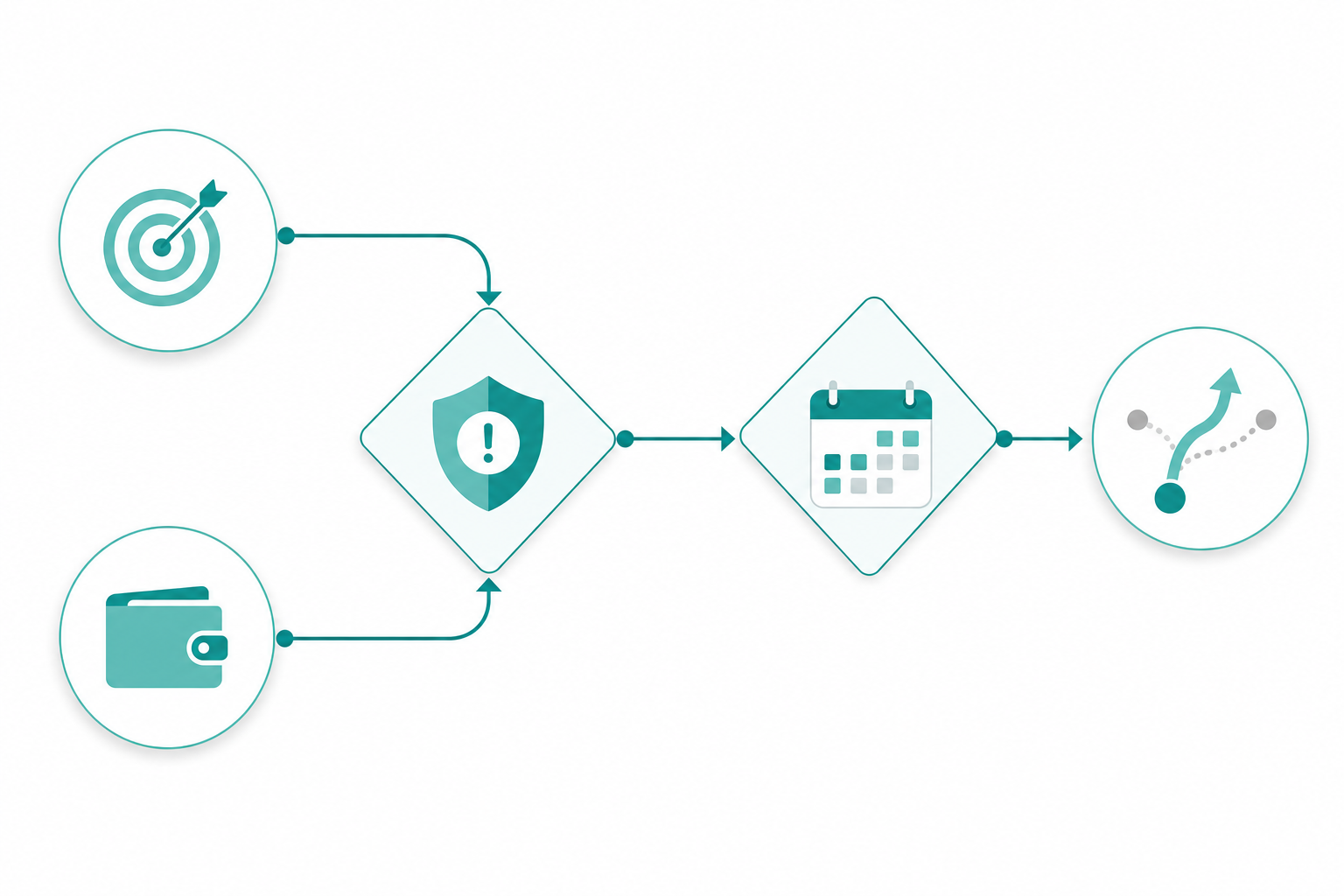
India 2026 Cost–Outcome Matrix (Use as Directional Ranges)
Numbers vary by city, domain, and scope. Treat this as a decision compass, not a quote. The point is to see trade‑offs clearly, in ₹ and in time.
Option | Typical monthly cash outlay (₹) | 90‑day outcomes to demand | Hidden costs / risks to watch | Best for |
|---|---|---|---|---|
Fractional CTO (8–20 hrs/week) | ₹2L–₹6L | One‑page architecture with cost rails; hiring plan; vendor shortlists; a thin slice shipped (pilot or internal tool); dashboards for KPI + cost | Over‑advising with under‑delivery; unclear ownership of vendors; calendar spread too thin | Pre‑PMF to early traction needing clarity, speed, and cost control |
Agency (full‑service build) | ₹4L–₹20L retainer or fixed‑scope tranches | Clickable prototype in 3–4 weeks; first production slice in 8–12 weeks; QA & deployment runbook | Lock‑in (proprietary stacks); change‑request fees; PM layer that pads timelines; code quality variance | Clear scope needing velocity and breadth (design + build), if overseen tightly |
Full‑time CTO (in‑house) | ₹4L–₹10L salary/month (CTC), plus team (₹6L–₹20L+) | Team assembled; internal standards; roadmap; initial releases; vendor contracts rationalized | Search + notice periods delay impact; high fixed burn; mis‑hire risk; org overhead | Post‑PMF or complex domains where continuity and culture matter |
Hybrid (Fractional CTO + specialist vendors) | ₹3L–₹9L (CTO) + targeted vendor spends | Architecture + governance by CTO; specialist execution (e.g., WhatsApp AI, data); measurable cost/performance improvements | Coordination debt if the CTO doesn’t own end‑to‑end; unclear SLAs | Most seed/Series‑A companies wanting leverage without lock‑in |
Use the matrix to judge fit by speed to first useful release, quality of decisions you’ll live with, and how reversible your commitment is.

What “Good” Looks Like in the First 90 Days (Per Option)
Fractional CTO
Week 1–2: Current‑state audit; one‑page target architecture; runway‑to‑milestone map; decision log template.
Week 2–3: Prioritized roadmap (90 days); buy‑vs‑build matrix; vendor shortlist with pros/cons and exit terms.
Week 3–6: Thin‑slice delivery in production or a realistic pilot; developer standards; infra cost guardrails (budgets, alerts).
Week 6–9: Hiring plan with scorecards; interview loop set; agency RFPs (if needed) with technical acceptance criteria.
Week 9–12: Scoreboard live (product KPIs + cost KPIs); handover pack; go/no‑go decision on next 90 days.
Agency (full‑service)
Week 1–2: Detailed scope; acceptance criteria; clickable prototype.
Week 3–6: Dev sprints producing integrated, demo‑able software; weekly demos to the founder.
Week 6–9: First production slice; monitoring + error budgets; code review access.
Week 9–12: Documentation; runbook; post‑launch hardening; backlog with estimates and risks.
Full‑time CTO
Week 1–2: Org and vendor audit; tech principles; initial hiring pipeline.
Week 2–6: Internal frameworks; first feature release or refactor to remove a risk; vendor consolidation plan.
Week 6–12: Team assembled; cadence locked; quarterly roadmap tied to business OKRs; budget and cost controls set.
Hybrid (Fractional CTO + Specialists)
Week 1–2: CTO sets architecture + governance; picks specialist vendors (e.g., WhatsApp AI, data, mobile).
Week 2–6: Vendors deliver narrow, measurable slices under CTO’s acceptance criteria and code review.
Week 6–12: Cost vs performance dialed in; handoffs scripted; change control working without drama.
The Hidden Costs Indian Founders Miss (And How to Cap Them)
Vendor lock‑in tax: Proprietary codebases, closed CMS, or hosted platforms with export friction. Insist on IP assignment and portable infra.
Scope‑creep retainer: “Small change” fees that balloon. Demand acceptance criteria and change control before you sign.
Tool sprawl: Paying for four analytics tools or three duplicative chat/CDN services. Do a monthly stack trim.
Cloud leakage: Quiet over‑provisioning; logs and previews that never auto‑expire. Set budgets + alerts on day one.
Model/API misuse: Wrong LLM/image/video tiers by default. Route to the cheapest model that clears the bar; cap per‑request costs.
People latency: India’s 30–90 day notice periods slow hiring. Use fractional/agency stopgaps with planned handover.
QA as optional: Paying twice to fix what a test would have caught. Demand a test pyramid and release checklist.
Compliance drag: PII, consent, data residency. Add a privacy checklist to every feature, not as an afterthought.

Choose by Stage (Simple, Honest Heuristics)
Idea / Pre‑seed: Fractional CTO to design the smallest shippable slice, run buy‑vs‑build, and de‑risk costs. Pull in specialist vendors for narrow tasks only.
Seed / Early Traction: Hybrid works best — fractional CTO for architecture/governance + 1–2 specialist vendors for velocity. Keep commitments short and portable.
Series A+ / Complex Domain: Start moving to a Full‑time CTO while the fractional CTO helps hire and transition. Agencies remain for spikes or specialist lanes.
Edge cases: If your roadmap is crystal‑clear and design complete, a well‑managed agency can be fastest. If your moat is deep tech, recruit the full‑time CTO early and accept the slower start for compounding culture.
How We (Rian Infotech) Run Fractional CTO Engagements
Our bias is simple: protect runway, ship the smallest useful thing, and keep you un‑locked‑in. Engineering‑grounded, founder‑facing.
Runway‑first plan: We map burn to milestones and gate every commitment with the 10‑minute test.
One‑page architecture: Shows data flow, IP ownership, lock‑in points, and the buy‑vs‑build matrix.
Cost safety rails: Cloud/model budgets, alerts, and the 7‑line bill audit baked into weekly ops.
Weekly cadences: Scoreboard (product + cost KPIs) and unblocker call that moves risk off the critical path.
Vendor oversight: We draft RFPs, acceptance criteria, and run code reviews so you don’t pay twice.
Handover by design: Playbooks, runbooks, and exit readiness from day one; no hostage situations.
If you want the full operating playbook, read the Fractional CTO Operating Manual. New to the concept? Start with our primer What is a Fractional CTO? (India guide), and when you’re comparing retainers and offers, cross‑check with How Much Does a Fractional CTO Cost in India? (2026 Benchmarks).
Before You Sign: The 90‑Day Scorecard You Should Demand
1 live slice used by real users or internal teams, not just demos.
Cost observability in place (budgets, alerts, per‑feature cost view where relevant).
Decision log for architecture, with alternatives considered.
Handover docs (runbooks, infra map, access inventory, IP assignments).
Next 90‑day bet with 3 clear kill/scale criteria tied to business outcomes.
Why This Shows Up for “rian technologies”
Founders often type “rian technologies” while looking for senior help on AI/products built in India. We’re Rian Infotech — an India‑based AI & automation studio — and this guide exists to help you make the leadership choice that protects your runway and compounds value, whether or not you work with us.
Common Traps — And the Fix
The shiny full‑time hire before PMF: Fixed burn, slow impact. Fix: Fractional first; convert when the job is obvious.
All‑in agency retainer without exit terms: Fast start, slow regret. Fix: Portable infra, IP assignment, 90‑day checkpoints.
Advisory‑only fractional: Slides, no shipping. Fix: Tie the fractional CTO to a live slice and vendor acceptance.
FAQs
Should I hire a full‑time CTO before product‑market fit?
Usually no. Unless your moat is deep tech or regulated infrastructure, fractional leadership plus targeted vendors gets you faster, cheaper learning. Convert to full‑time when the scope and culture you need are visible.
Can a fractional CTO own delivery, not just advise?
Yes — and they should. The role is accountability for outcomes. That includes drafting the architecture, setting acceptance criteria, overseeing vendors, and putting cost guardrails in place.
Can an agency be “my CTO”?
An agency can provide delivery muscle, but you still need a single owner of outcomes across vendors, infra, and roadmap. That owner is a CTO (fractional or full‑time). Without it, you’ll pay coordination tax.
What about IP and lock‑in?
Insist on IP assignment in your contracts, repository access under your org, and portable cloud setup. Avoid closed platforms if export is painful.
How quickly can a fractional CTO start?
Often within 1–2 weeks. That speed matters in India where full‑time hires face 30–90 day notice periods.
What if I already signed with an agency?
Bring in a fractional CTO to govern scope, set acceptance criteria, and protect your runway. It’s common and it reduces change‑request churn.
If you want a second opinion on your tech, here’s how I think about it — book a free strategy call. No slides. We’ll map your next 90 days to outcomes in ₹ and put cost rails in place.
Frequently Asked Questions

Rishav Shankar
Rishav Shankar is a calm-tech architect who blends AI, engineering, and psychology to design systems that think before they act. He builds products that turn complex human problems into intuitive digital experiences, redefining how founders and teams operate. At the intersection of automation, strategy, and imagination, Rishav is creating the future one intelligent workflow at a time.
Comments
Loading...